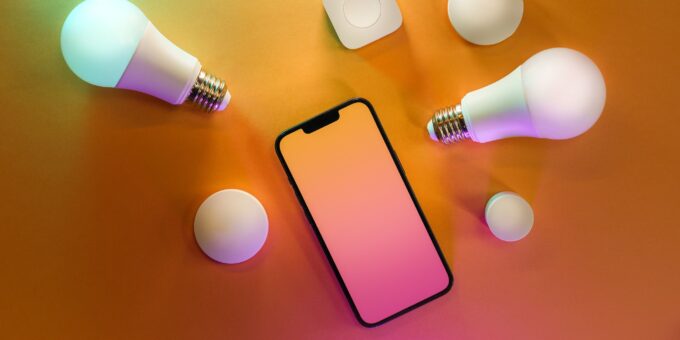
Smart home energy savings in 2026 are becoming easier as connected devices, energy monitors, smart thermostats, and home automation systems become more accessible. Modern technology can help households understand where electricity is being used, reduce unnecessary consumption, and manage high-energy appliances more efficiently.
Electricity costs can vary based on location, utility rates, home size, weather, and daily habits. However, smart technology can make energy management more precise. Instead of simply using less electricity, homeowners can identify waste and automate many energy-saving decisions.
This guide explains the best smart home technologies for reducing electricity costs in 2026. It also covers potential savings, installation considerations, energy-monitoring tools, and practical ways to build a more efficient home.
Why Smart Home Energy Savings Matter in 2026
Many homes waste electricity through devices that run unnecessarily, inefficient heating and cooling, poor scheduling, and standby power consumption. Smart technology can address these problems by collecting data and automating energy use.
A smart home can respond to schedules, occupancy, electricity prices, temperature, and appliance demand. For example, a smart thermostat can adjust heating or cooling when nobody is home. A smart plug can turn off selected devices automatically. An energy monitor can show which appliances are consuming the most electricity.
The goal is not to make your home dependent on technology. The goal is to use technology to make energy decisions easier and more consistent.
Best Smart Home Technology for Lower Electricity Costs
1. Smart Thermostats
Heating and cooling can represent a significant portion of household energy use. A smart thermostat can help reduce unnecessary HVAC operation by adjusting temperatures according to schedules and occupancy.
Many modern thermostats can learn household routines or use sensors to determine whether rooms are occupied. Some systems can also provide energy reports and recommendations.
When choosing a smart thermostat, compare compatibility, installation requirements, remote controls, scheduling features, sensors, and energy reports. Check the U.S. Department of Energy’s thermostat guidance for general energy-saving information.
2. Smart Plugs
Smart plugs are among the simplest ways to begin a smart energy-saving project. They allow selected appliances to be controlled remotely or automatically.
For example, you can schedule entertainment equipment, desk accessories, lamps, or other compatible devices to switch off during certain hours. This can reduce unnecessary electricity consumption.
Before purchasing a smart plug, check its maximum electrical load. High-power appliances should only be connected when the smart plug is specifically rated for that application.
3. Whole-Home Energy Monitors
A whole-home energy monitor can provide a detailed picture of electricity consumption. Depending on the system, it may track real-time usage, historical patterns, appliance-level consumption, and unusual increases in demand.
This information can be valuable because many homeowners do not know which devices consume the most electricity. Once you identify energy-intensive appliances, you can focus your savings efforts where they matter most.
Energy monitoring can also help identify changes in consumption after installing efficient appliances or changing household routines.
4. Smart Lighting
Smart lighting systems can reduce unnecessary electricity use by combining efficient LED bulbs with automation. Lights can be scheduled, dimmed, or switched off remotely.
Motion and occupancy sensors can be particularly useful in hallways, bathrooms, garages, and other areas where lights are sometimes left on.
However, smart lighting is most effective when it is combined with efficient LED technology. Automation alone does not make an inefficient bulb efficient.
5. Smart Appliances
Smart appliances can provide scheduling, remote monitoring, energy information, and automated operating modes. Examples include smart washing machines, dishwashers, refrigerators, heat pumps, and other connected equipment.
When replacing an old appliance, compare both the purchase price and expected operating costs. An appliance with a higher upfront cost may have lower electricity consumption over its useful life.
For U.S. households, the ENERGY STAR program is a useful starting point for comparing energy-efficient products.
Smart Home Energy Savings With Time-of-Use Electricity Rates
Some electricity plans use different prices at different times of day. These are commonly called time-of-use rates. If your utility offers such a plan, smart technology can help shift flexible electricity consumption toward lower-cost periods.
For example, a smart appliance may be scheduled to run overnight or during another lower-rate period. Electric vehicle charging can also be scheduled when electricity prices are lower, if your utility plan supports this approach.
Before changing electricity plans, compare the complete rate structure. A lower off-peak rate does not automatically mean a lower total bill. Review peak prices, fixed charges, delivery fees, minimum charges, and your household’s actual consumption pattern.
Smart Energy Management for Electric Vehicles
Electric vehicles can significantly increase household electricity consumption. Smart EV chargers can help homeowners manage this additional demand.
A connected charger may allow scheduled charging, remote controls, charging limits, and energy monitoring. Scheduling can be especially useful for households with time-of-use electricity plans.
For example, instead of charging immediately after arriving home, a homeowner may schedule charging for a lower-cost period. This can improve energy management without reducing the vehicle’s usefulness.
Solar Panels and Smart Energy Technology
Solar panels can work alongside smart home technology to improve household energy management. A smart energy system can help homeowners monitor solar generation, household consumption, battery storage, and grid electricity usage.
Home battery systems can store electricity for later use, depending on system design and local utility rules. Smart controls can help determine when to use stored energy and when to draw electricity from the grid.
However, solar and battery systems require significant upfront investment. Homeowners should compare installation costs, financing, incentives, maintenance, expected electricity production, utility policies, and payback periods before making a decision.
Smart Home Automation Can Reduce Energy Waste
The biggest advantage of smart technology is automation. Energy savings should not require constant attention.
For example, you can create routines that:
- Adjust the thermostat when the home is empty.
- Turn selected lights off at bedtime.
- Switch certain electronics off overnight.
- Schedule EV charging for appropriate hours.
- Run compatible appliances during lower-cost periods.
- Send alerts when unusual electricity consumption is detected.
These routines can make energy efficiency part of the home’s normal operation.
How to Calculate Smart Home Energy Savings
Technology should be evaluated based on measurable results. Start by recording your electricity consumption before installing new equipment.
After installation, compare electricity usage over similar periods. Weather can significantly affect heating and cooling consumption, so a single month’s bill may not provide enough information.
A simple calculation is:
Energy savings = Previous electricity cost − New electricity cost
You can also calculate a simple payback period:
Payback period = Technology cost ÷ Annual energy savings
For example, if a device costs $300 and produces estimated annual savings of $75, the simple payback period is four years. Actual results can vary because electricity prices, usage, installation costs, and device performance change over time.
How to Build a Smart Energy-Saving Home on a Budget
You do not need to automate your entire house at once. Start with the areas that have the highest potential for savings.
Step 1: Monitor Your Electricity Usage
Review several months of electricity bills. Look for seasonal changes and unusually high consumption.
Step 2: Identify Major Energy Users
Heating, cooling, water heating, refrigeration, laundry, and EV charging can be important areas to examine. An energy monitor can provide additional information.
Step 3: Start With Low-Cost Automation
Smart plugs, LED lighting, sensors, and basic scheduling can provide an inexpensive starting point.
Step 4: Upgrade Major Systems
When older HVAC equipment or appliances need replacement, consider efficient models with strong energy performance.
Step 5: Review Your Electricity Plan
Compare available electricity rates and fees. Smart technology becomes more useful when it can respond to a rate structure that rewards shifting flexible consumption.
Smart Home Energy Savings and Online Income Opportunities
Energy technology is also creating opportunities for publishers, creators, and entrepreneurs. Consumers increasingly search for information about smart thermostats, energy monitors, solar systems, electricity plans, and efficient appliances.
For people building an online business, energy-saving technology can be an attractive content niche because products and services often involve meaningful purchase decisions. Content can cover product comparisons, installation considerations, electricity rates, energy-saving strategies, and cost calculations.
Some publishers also explore affiliate marketing by promoting relevant products and services through properly disclosed affiliate relationships. The goal should be useful, accurate information rather than simply promoting the most expensive product.
The same principle applies when comparing business models such as affiliate vs dropshipping. A technology-focused content site may generate passive income over time through evergreen search traffic, while a dropshipping business typically involves product sourcing, fulfillment, customer service, and other operational responsibilities.
Common Mistakes to Avoid
One mistake is buying too many smart devices without identifying the energy problem first. Technology can reduce waste, but unnecessary devices also consume electricity and cost money.
Another mistake is ignoring compatibility. Check whether devices work with your existing HVAC system, electrical setup, smart-home platform, Wi-Fi network, and mobile devices.
Security is also important. Connected devices should use strong passwords, updated software, and secure network practices. Review privacy settings and understand what information a device collects.
Finally, do not assume every smart device will automatically lower your electricity bill. Savings depend on how the technology is configured and used.
Final Thoughts on Smart Home Energy Savings in 2026
Smart home energy savings in 2026 are increasingly about combining efficient equipment with automation and better information. Smart thermostats, energy monitors, smart plugs, efficient lighting, connected appliances, EV chargers, and solar management systems can all contribute to better electricity management.
The best approach is to start with measurement. Identify where electricity is being consumed, choose technology that addresses the largest opportunities, and track the results over time.
When technology, efficient equipment, and good energy habits work together, homeowners can reduce waste while making the home more convenient. The key is to focus on measurable savings rather than simply adding more connected devices.
Frequently Asked Questions
Do smart home devices really save electricity?
They can. Savings depend on the device, household behavior, electricity rates, and configuration. Automation is particularly useful for reducing unnecessary operation.
What is the best smart device for saving electricity?
A smart thermostat can be valuable for homes with significant heating or cooling demand. However, the best technology depends on the home’s largest energy uses.
Can smart plugs reduce electricity bills?
Smart plugs can help reduce unnecessary electricity use by automatically switching compatible devices off. The savings are usually greater when they control equipment that would otherwise remain powered for long periods.
Should I install solar panels to reduce electricity costs?
Solar can reduce grid electricity purchases, but the financial result depends on installation costs, local electricity prices, solar production, incentives, financing, and utility rules. Compare the full economics before investing.
How can I start saving energy with a smart home?
Start by reviewing your electricity bills and identifying major energy users. Then consider a smart thermostat, energy monitor, smart plugs, efficient lighting, or other technology that directly addresses your largest sources of consumption.
