Managing several credit cards, personal loans, and other balances can make debt feel overwhelming. Multiple due dates can also increase the risk of missed payments. In 2026, debt consolidation can be one way to simplify repayment and potentially reduce borrowing costs.
The key is to compare the total cost, not just the advertised interest rate. A lower monthly payment does not always mean you are saving money. A longer repayment period, origination fee, balance transfer fee, or variable rate can increase the total amount you pay.
This guide explains the best debt consolidation options in 2026. It compares consolidation loans, balance transfer credit cards, home equity options, and debt management plans. It also explains how to compare APRs, fees, repayment terms, and total interest costs before making a decision.
What Is Debt Consolidation?
Debt consolidation means combining multiple debts into one repayment arrangement. Instead of managing several separate balances, you may make one monthly payment.
For example, you could use a personal loan to pay off several credit cards. You would then make payments on the new loan instead of making separate payments to each card issuer.
Consolidation can simplify your finances. However, it does not automatically reduce your debt. You still owe the money. The goal is to create a repayment structure that may offer a lower cost, easier payment schedule, or both.
The Consumer Financial Protection Bureau recommends examining why the debt accumulated before choosing consolidation. If spending continues to exceed income, taking out another loan may not solve the underlying problem.
Best Debt Consolidation Options in 2026
1. Personal Debt Consolidation Loans
A personal loan is one of the most common consolidation methods. You borrow a lump sum and use it to repay multiple unsecured debts. You then make one monthly payment on the new loan.
The main advantage is simplicity. A fixed-rate personal loan may also provide a predictable monthly payment and a defined payoff date.
When comparing offers, look beyond the advertised rate. Check the APR, origination fee, late-payment charges, repayment term, and total repayment amount.
A loan with a slightly higher APR but no large upfront fee could sometimes cost less overall than a loan with a lower advertised rate and substantial fees.
2. Balance Transfer Credit Cards
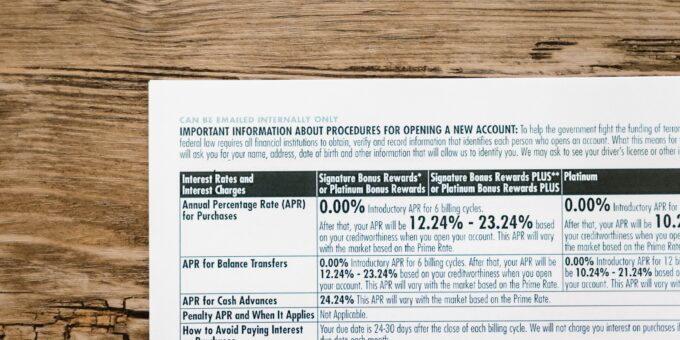
A balance transfer credit card can move existing credit card balances to another card. Some cards offer a promotional low or zero interest rate for a limited period.
This option can be useful when you can repay the transferred balance before the promotional period ends. However, balance transfer fees can reduce your savings.
For example, transferring $10,000 with a 3% fee would create a $300 transfer fee. You should include that fee when calculating your potential savings.
Also check what happens after the introductory period. The regular APR may be significantly higher. Avoid using the new card for unnecessary purchases while trying to eliminate the transferred balance.
The CFPB notes that promotional rates are temporary and that balance transfer fees are common. :contentReference[oaicite:0]{index=0}
3. Home Equity Loans and HELOCs
Homeowners may consider a home equity loan or home equity line of credit to consolidate debt. These products use home equity as collateral.
The potential advantage is that secured borrowing may offer a lower interest rate than some unsecured debt. However, the risk is much greater if the debt is secured by your home.
If you cannot make the required payments, your home may be at risk. For this reason, home equity should not be treated as an easy solution for credit card debt.
Compare the interest rate, closing costs, annual fees, repayment period, and potential rate changes. Consider the long-term consequences before using your home to consolidate unsecured debt.
4. Debt Management Plans
A debt management plan is different from taking out a new consolidation loan. A nonprofit credit counseling organization may help you create a structured repayment plan with your creditors.
You generally make one payment to the counseling organization. The organization then distributes payments to participating creditors.
Depending on the situation, creditors may agree to lower interest rates or waive certain fees. However, the debt itself is generally not erased.
The CFPB explains that credit counseling organizations can help consumers create budgets and debt management plans. :contentReference[oaicite:1]{index=1}
5. Direct Negotiation With Creditors
Before applying for a new financial product, contact your existing creditors. Some creditors may offer hardship programs, modified payment schedules, reduced rates, or fee waivers.
This approach may not require a new loan. It can also help you understand what options are available before paying a third-party company.
Ask each creditor for the offer in writing. Confirm the new payment amount, interest rate, fees, and repayment conditions.
Debt Consolidation Loans: What Rates Should You Compare?
There is no single debt consolidation rate available to everyone in 2026. Lenders typically consider factors such as credit history, income, existing debt, loan amount, repayment term, and other underwriting information.
That means two borrowers can receive very different offers.
Start by comparing the APR rather than only the interest rate. APR can incorporate certain loan costs and gives you a more useful comparison of borrowing costs.
Also compare fixed and variable rates. A fixed rate generally provides more predictable payments. A variable rate can change according to the terms of the loan.
The Federal Reserve publishes consumer credit data that can help you understand broader borrowing-rate trends, but actual lender offers depend on your individual circumstances. :contentReference[oaicite:2]{index=2}
How to Compare Debt Consolidation Fees
Fees can make a major difference in the cost of consolidation. Always calculate the complete cost before accepting an offer.
Origination Fees
Some personal loans charge an origination fee. This fee may be deducted from the amount you receive or added to the loan balance.
Balance Transfer Fees
Balance transfer cards commonly charge a percentage of the amount transferred. Include this fee when calculating your potential interest savings.
Annual Fees
Some credit cards charge annual fees. If the fee applies every year, include it in your long-term cost calculation.
Late Payment Fees
Missing payments can result in fees and may damage your credit history. Check the late-payment terms before choosing a consolidation product.
Prepayment Penalties
Some financial products may have restrictions or costs related to early repayment. Confirm the terms before signing a loan agreement.
Debt Consolidation Comparison Table
| Option | Potential Benefit | Key Cost | Main Risk |
|---|---|---|---|
| Personal Loan | One fixed payment | APR and possible origination fee | Longer term can increase total interest |
| Balance Transfer Card | Introductory low APR | Transfer fee | Higher APR after promotion |
| Home Equity Loan | Potentially lower secured rate | Interest and closing costs | Home is collateral |
| HELOC | Flexible access to home equity | Interest and account fees | Rates may change and home is collateral |
| Debt Management Plan | Structured repayment support | Possible counseling fees | Requires consistent payments |
How to Calculate Your Potential Savings
Do not judge a consolidation offer by the monthly payment alone. Calculate the total amount you will pay.
For example, imagine you have several debts with different interest rates. A consolidation loan could reduce your monthly payment. However, if the new loan extends repayment from three years to seven years, you could pay more interest over time.
Compare these four numbers:
- Current total monthly payments
- Current estimated total interest
- New monthly consolidation payment
- New total repayment amount
Then add all applicable fees. This gives you a more realistic picture of whether consolidation could reduce your overall cost.
Debt Consolidation and Your Credit Score
Debt consolidation can affect your credit in different ways.
Applying for new credit may result in a hard inquiry. Opening a new account can also change the average age and mix of your credit accounts.
On the other hand, paying down revolving credit balances can reduce your credit utilization. Making every payment on time can also support your credit history over time.
The effect depends on your complete credit profile. Do not choose a consolidation product solely because you expect a particular credit-score change.
When Debt Consolidation May Not Work
Consolidation is not a magic solution. It may fail if the original spending problem continues.
For example, paying off credit cards with a consolidation loan and then building new card balances can leave you with both the new loan and new credit card debt.
Before consolidating, create a realistic household budget. Reduce unnecessary expenses where possible. Build an emergency fund after your immediate debt problem is under control.
It can also help to increase income. Extra income from freelance work, an online business, affiliate marketing, or another legitimate side activity can provide additional money for debt payments. The same principle applies to business models such as a dropshipping business or evaluating affiliate vs dropshipping opportunities, but new business expenses should not be funded with high-cost debt.
If your goal is long-term financial security, reducing expensive debt can also create more room for passive income investments later.
Debt Consolidation Scams to Avoid in 2026
Be careful with companies promising to eliminate your debt quickly. A legitimate provider should explain its fees, services, risks, and terms clearly.
Be especially cautious about unexpected calls, texts, or online advertisements promising guaranteed debt forgiveness. Do not provide sensitive financial information until you have independently verified the company.
The Federal Trade Commission warns consumers about debt-relief scams and advises people to be cautious about companies demanding upfront payments or guaranteeing fast debt forgiveness. :contentReference[oaicite:3]{index=3}
Also understand the difference between debt consolidation and debt settlement. They are not the same. Debt settlement can involve negotiating with creditors to settle debts for less than the amount owed. It can carry additional financial and credit risks.
How to Choose a Debt Consolidation Option
Start by listing every debt, including the balance, APR, minimum payment, and remaining repayment period.
Next, calculate your current total monthly payment. Then compare at least several consolidation offers where available.
Focus on these factors:
- APR
- Monthly payment
- Repayment period
- Origination or transfer fees
- Total repayment cost
- Fixed versus variable rate
- Credit requirements
- Early repayment terms
Do not automatically select the loan with the lowest monthly payment. A longer term can reduce the monthly bill while increasing the total interest cost.
Final Thoughts on the Best Debt Consolidation Options in 2026
The best debt consolidation options in 2026 depend on your debt balances, credit profile, income, repayment ability, and financial goals.
A personal loan may simplify several high-interest balances. A balance transfer may help borrowers who can repay debt during a promotional period. A debt management plan may provide structured support for people who need help organizing unsecured debt. Home equity products may offer another option for eligible homeowners, but they carry the additional risk of putting the home behind the debt.
Before making a decision, compare APRs, fees, repayment periods, and total costs. Also address the spending or cash-flow problem that created the debt.
Debt consolidation works best as part of a broader debt-reduction strategy. A clear budget, consistent payments, controlled spending, and a defined payoff target can help turn consolidation into a practical step toward financial stability.
Frequently Asked Questions About Debt Consolidation
Is debt consolidation worth it in 2026?
It can be useful when the new arrangement lowers borrowing costs or makes repayment easier. Compare total costs before deciding.
Does debt consolidation lower your interest rate?
It can, but there is no guarantee. Your rate depends on the lender, product, credit profile, and other qualification factors.
What is the difference between consolidation and debt settlement?
Consolidation combines debts into a new repayment structure. Debt settlement involves negotiating with creditors to potentially settle debts for less than the amount owed.
Can debt consolidation hurt your credit?
Applying for new credit can affect your credit temporarily. However, consistently making payments and reducing revolving balances can support your credit profile over time.
Should I use a debt consolidation loan to pay credit cards?
Compare the new loan’s APR, fees, repayment term, and total cost with your existing credit card debt. The numbers should support the decision rather than the lower monthly payment alone.
Where can I get free debt advice?
Nonprofit credit counseling organizations can provide budgeting and debt-management guidance. The CFPB also recommends researching an organization’s services, fees, qualifications, and agreements before enrolling.
